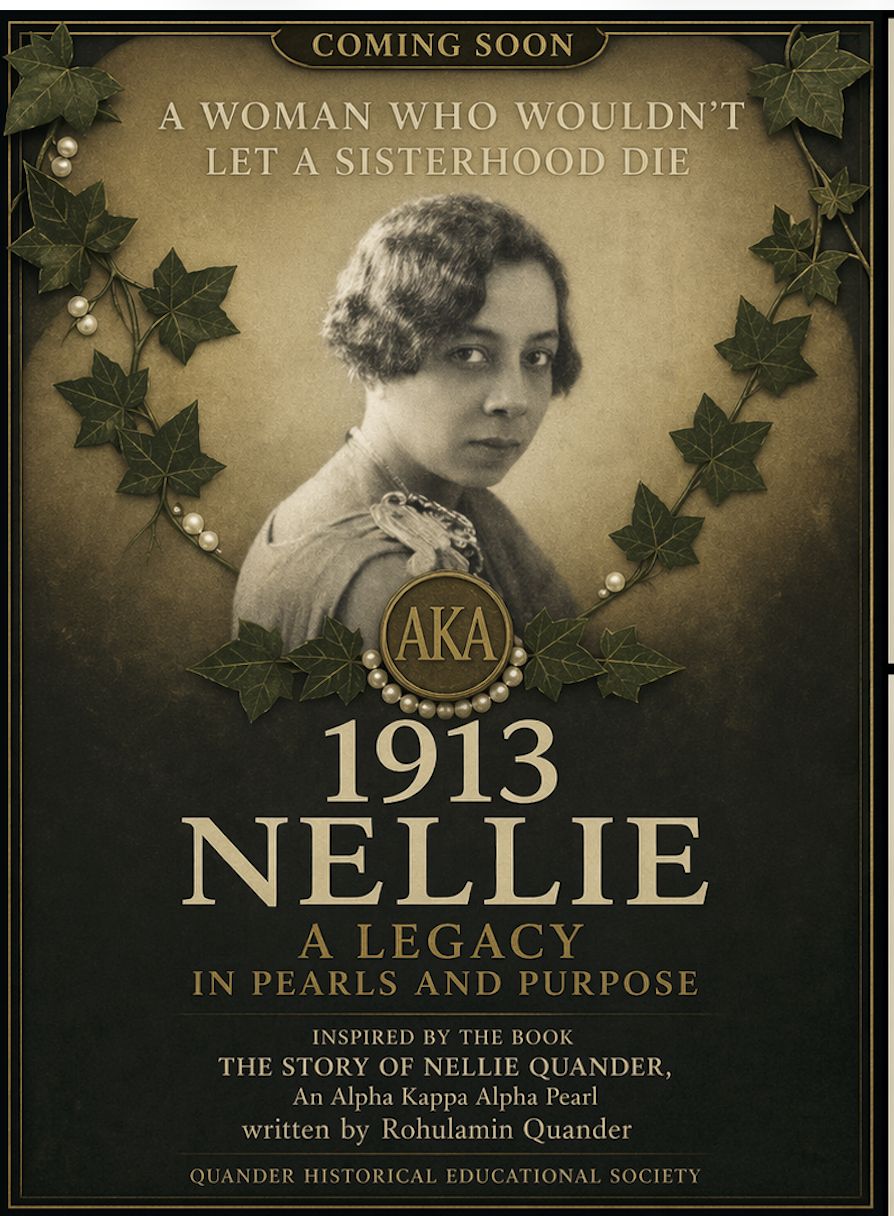
Discover the story of "1913 Nellie"
Explore the compelling true story of Nellie May Quander, a visionary leader who transformed a fragile dream into an enduring legacy. Learn about the challenges she faced and the impact she made that continues to uplift generations.

The inspiring journey of Nellie May Quander
In 1913, when a new sisterhood faced division, doubt, and the threat of dissolving, a brilliant educator and principled leader, Nellie May Quander, rallied women to a higher purpose, transforming a fragile dream into a legacy that would uplift generations. This powerful story showcases the resilience and vision of a woman who shaped history.
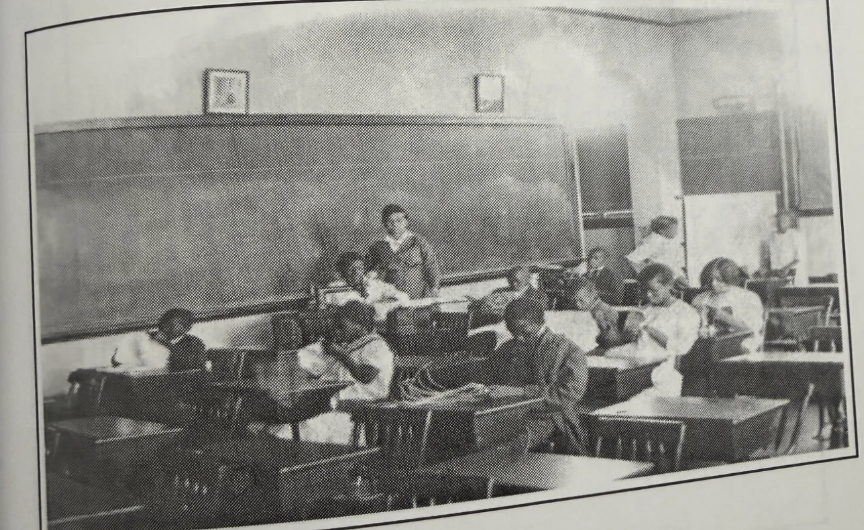
Why this story resonates today
In 1913, amidst the vibrant intellectual environment of Howard University in Washington, D.C., a dynamic sisterhood of educated Black women was born. This groundbreaking group faced significant challenges, including internal divisions and the looming threat of dissolution. However, in the midst of this turmoil, Nellie May Quander emerged as a fierce, visionary leader. With her unwavering conviction and strategic insight, she took decisive action to stabilize and strengthen the organization. Through her efforts, she transformed a period of crisis into a powerful legacy, one that would not only endure but also uplift and empower generations of women around the globe.
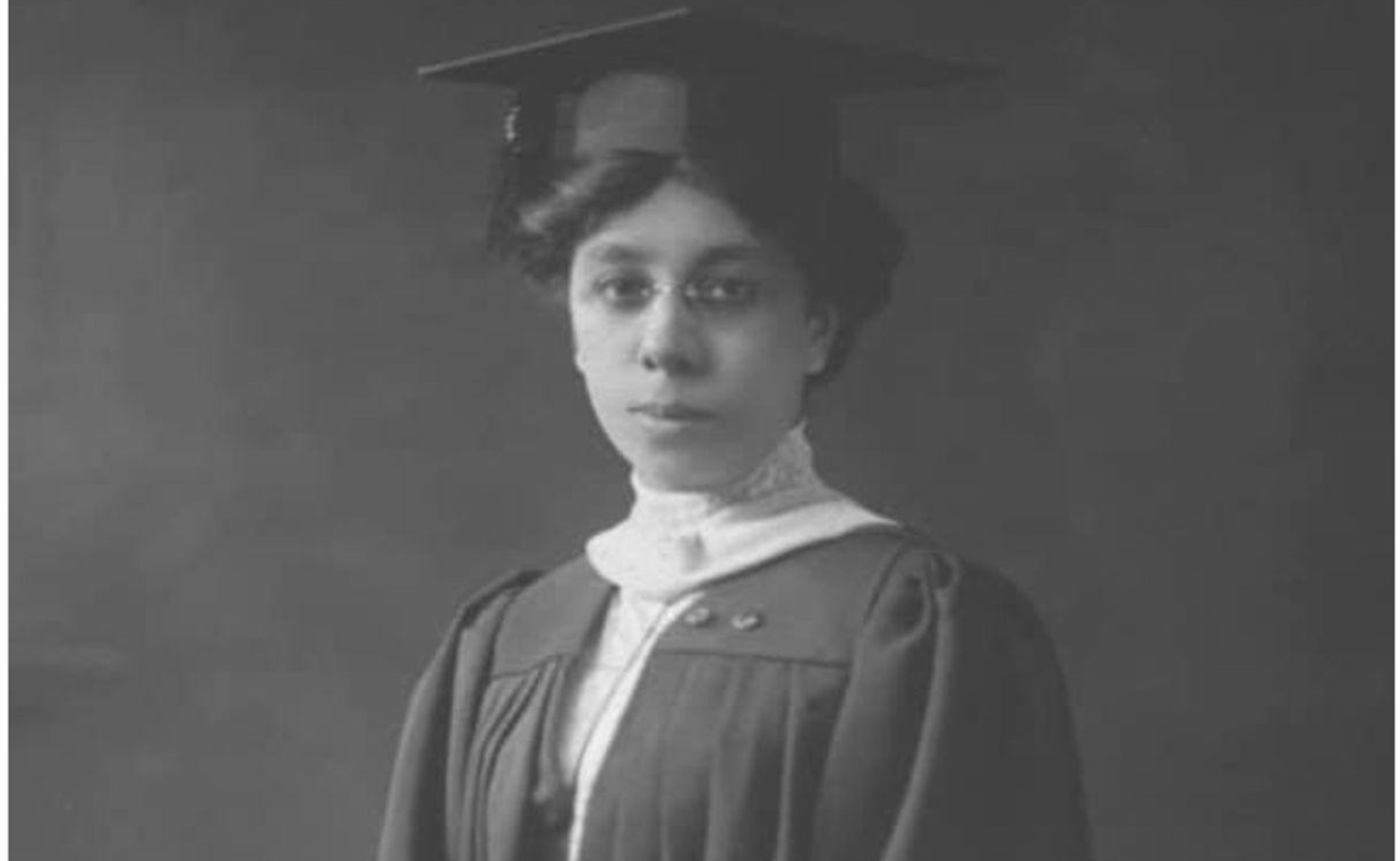
Behind the scenes: The Quander legacy
The Quanders are one of the Washington region’s largest and most illustrious African-American families. Their presence in North America dates to the late 17th century, and Rohulamin Quander, a family patriarch, says he has found historical suggestions of shared ancestry with a nephew of George Washington’s. Quander descendants include the first Black people to hold leadership roles in education, medicine, commerce and the military, Courtland Milloy reported in 1978 in a column in The Washington Post.
Nellie Quander, an educator and activist for Black women’s rights, taught in Washington public schools while earning her degree at Howard University. She became the president of Alpha Kappa Alpha, an African-American sorority, in 1911, three years after its founding on the campus. In 1913, Quander incorporated the sorority, preserving its founding principles, including high scholastic and ethical standards and service in perpetuity. Alpha Kappa Alpha now has 300,000 members.
The enduring impact of a visionary leader